
How to Create Amazing Marketing Case Studies
 Timothy Carter
A marketing case study is a great way to show off your business's expertise in the field. It can also be used as real-life context of how another company should approach its own marketing efforts. In order for your case study to be successful, you have to take some time and apply both theoretical frameworks and methods before you publish it.
This blog post will discuss what goes into a good marketing case study and provide in-depth tips on how to create one that’s sure to impress — grounded in both existing knowledge and theory development from the social sciences and business research.
What is a Case Study?
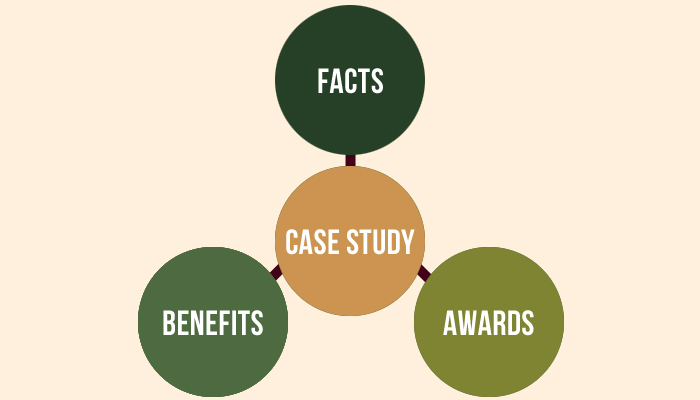
A marketing case study is a document that showcases your company's expertise in the field. It can also be used as an example of how another company should approach its own marketing efforts — a particular case within a larger class of marketing success stories. The main goal of this type of piece is to showcase what you and your business are capable of doing for others (i.e., potential customers) through detailed examination and data analysis.
- Case studies often include qualitative data and quantitative data that describe the research process, supported by data collection methods such as direct observation or focus groups. They may also discuss different aspects of the business like founder information, niche specialization, and key aspects of strategy.
- They can even draw from multiple data sources to provide detailed information that strengthens your case study research.
- In addition, there will typically be details on any awards won by the brand and testimonials from satisfied customers if available.
Why are Case Studies Important?
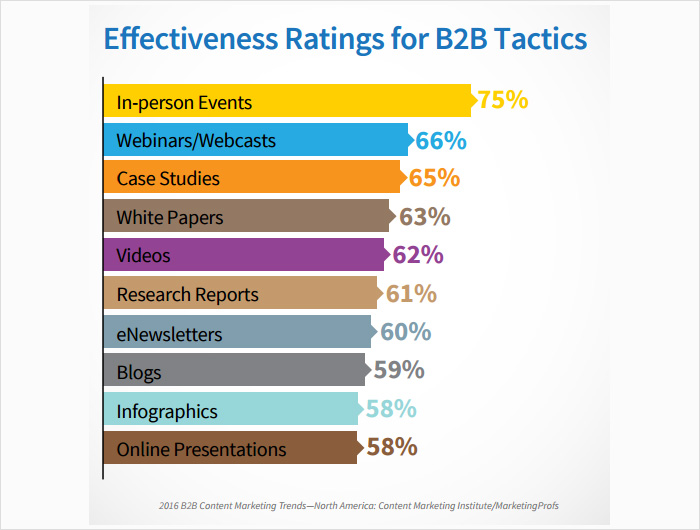
In today's world of fast-paced business, case study research has become an essential part of business research and social inquiry. Marketing case studies don’t just share success stories — they contribute to theory testing, theory building, and the development of theory by placing findings in a real-world or natural context.
Case studies have been shown time and again to provide insights into specific problems and expected outcomes that other marketers can learn from. They often use quantitative methods to measure results and qualitative research to understand customer motivations or experiences.
By using many different data sources and showing the researcher’s interpretation of the findings, these studies can connect your marketing outcomes to existing knowledge and a theoretical framework.
Moreover, case studies have been shown time and again to increase conversion rates on websites and social networks by appealing to potential customers with real-world proof and in-depth storytelling. Testimonials, participant observation, and many observations from multiple cases can help demonstrate your questions and strengthen your research design.
People want transparency when it comes to things like this; seeing real results is very helpful during decision-making processes because everyone wants success stories.
With that said, here are some great ways to create a great case study in your content strategy.
How to Create the Best Case Study
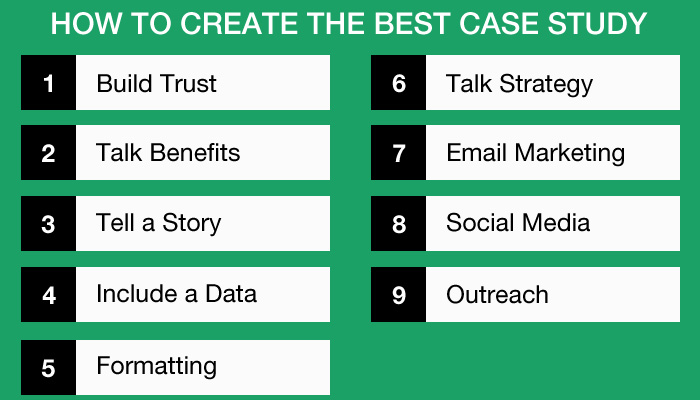
Luckily, creating an effective case study is a relatively straightforward process. Here are all the steps you need to take to make ensure your case study research is a glowing success — whether it’s a single case, a collective case study, or multiple case studies.
Build Trust:
The first step to writing a good case study is building trust. The reader needs to know that your research team is credible and that your case selection is worth listening to if they want their own business's marketing plan to succeed.
This trust can be built through qualitative ways such as interviews or testimonials, quantitative data that shows measurable success, and transparent discussion of your research objectives.
Mention awards, certifications, and even other cases you’ve worked on to establish authority. Studies from Sage Publications, Princeton University Press, or MIT Press emphasize how in-depth research backed by many different fields helps build legitimacy.
Talk About the Benefits:
Once you have established yourself as an expert in your field, it's time for the benefits!
Use quantitative methods and qualitative data to show measurable results and human impact. Discuss different sources of improvement such as higher sales, stronger engagement, and brand loyalty.
You should use this section of the document to highlight what makes your company different from others in the same niche (i.e., higher conversion rates) and why potential customers should switch over because these factors make life easier for them.
Relating your findings to existing knowledge and connecting them to a framework can make your case study not just persuasive, but academically grounded — a hallmark of case study research.
Tell a Story:
A good marketing case study tells a story grounded in real-life experience. This will hold the reader's attention and keep them interested in what you are writing about.
The case method of storytelling — commonly discussed in Designing Social Inquiry and Sage Publications Ltd — allows readers to follow a specific case from challenge to resolution. For example, if your company has been around for a while but is still growing quickly, then this could be a great place to showcase how they achieved that success!
Discuss key aspects of the narrative that highlight how your business responded to a specific problem. Case studies focus on different aspects of a situation to reveal insights that others can apply to their own cases.
Additionally, it can provide helpful tips on where other companies with the same goal might go wrong or areas of caution before attempting something similar themselves. Use qualitative research and case study approach techniques, including interviews, to give texture and emotional depth to your analysis.
Include a Lot of Data:
In order for your case studies to truly reach their full potential, support your claims with quantitative data, data analysis, and qualitative research findings. Drawing from multiple sources like surveys, newspaper articles, and information systems ensures data triangulation.
Incorporating case study method rigor helps make your findings relevant to a larger population, and may even inspire additional studies or several cases exploring similar outcomes.
Remember: the research design should align with your specific research questions and the desired outcomes.
Pay Close Attention to Formatting:
It's easy to get carried away when you're writing a case study, so make sure to pay close attention to formatting. Formatting is part of the research process and communicates professionalism. Nobody wants an article with sloppy grammar or poor sentence structure because that will just look bad on your brand. Case study research from BMC Med Res Methodol and Crowe S emphasizes that consistent structure, grammar, and flow improve reader comprehension.
Headers, bullet points, and logical divisions help present information clearly. They also keep them from getting confused by what content should be read first versus last. Organized formatting supports your case study analyzes and lets readers focus on different aspects of the findings.
Talk About the Strategy:
As a final point, it's important to talk about the strategy behind your case study. Discussing your strategy adds transparency to the case study method. Here, you explain your case selection reasoning, research design, and case study approach. This demonstrates how your team worked methodically through several ways of analyzing the data, using both quantitative and qualitative methods.
Take a methodical approach in breaking down your strategy without sharing too many details to readers that may be competitors of yours. By describing how your case studies tend to evolve through real-life experimentation, you illustrate theory testing and development in action — staples of strong case study research.
Promote Using Email Marketing:
You can convince more potential customers to do business with you by sharing a case study that will prove you can add value to their companies. In fact, distributing a case study via your email list can bring more exposure to your products and services.
Once published, share your case study through your email list. This collective case study distribution approach not only increases reach but also allows your business to show findings from case research to a larger group of potential customers.
This way, you can convert prospects who are on the fence into real-world objectives and outcomes like conversions or partnerships.
Promote Using Social Media:
It's always a good idea to promote your case studies on social media. This is because it will give you another marketing avenue that has the potential of reaching an even wider audience. Use social media to distribute your findings and connect them to knowledge within your industry. Highlight different aspects of the research process, such as data sources or the particular case featured.
Platforms like LinkedIn and X (Twitter) are great for linking your case study to social inquiry discussions or political science applications, showing the broad range of relevance for case study research in many different domains.
Not only should you share your document but also include links back to where people can learn more about what they read on your website.
Promote Via Outreach:
Another way to promote your case study is through outreach.
Outreach can take many forms, like guest blogging on a website, commenting on popular articles, or being featured in newspaper articles that are related to the subject of your article. If your case study is valuable, you may even receive a backlink for all your hard work. When you collect information through other types of outreach, you engage a sufficient number of audiences to extend your real-world impact.
These individual case studies can connect with readers from different fields — from information systems and healthcare delivery to social sciences.
Need Help With SEO?
Creating a strong case study means nothing if your website isn’t optimized for SEO. Combining case study method insights with data analysis and theoretical frameworks ensures your marketing content ranks higher and performs better.
If you need help optimizing your website, contact us today to speak with a member of our team. Together, we can design a case study approach that blends qualitative data, quantitative data, and in-depth storytelling to deliver exceptional results.
References
This article aligns with perspectives from Sage Publications, Princeton University Press, MIT Press, and Thousand Oaks scholars who have advanced case study research and Designing Social Inquiry. The goal is to integrate qualitative and quantitative research, and theory development to help marketers and researchers develop theory that leads to measurable outcomes.